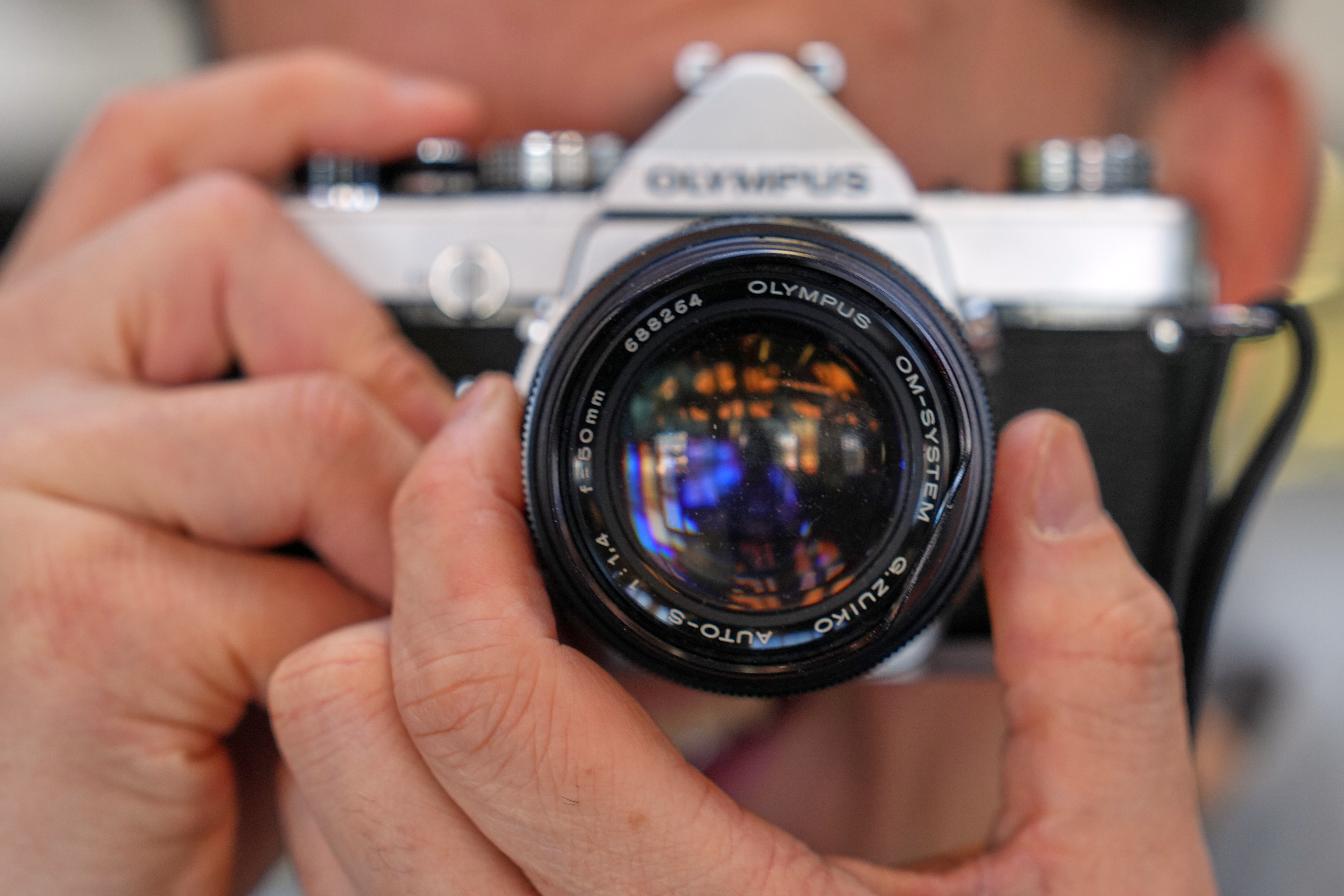
- Film photography is experiencing a significant resurgence, particularly among Gen Z and Millennials, driven by a desire for nostalgia and a more deliberate creative process.
- The analog medium offers a distinct aesthetic with unique grain and color palettes that are difficult to perfectly replicate digitally, appealing to artists and enthusiasts.
- Learning film photography serves as an excellent technical tutorial, forcing users to master fundamental photographic principles like ISO, shutter speed, and f-stops due to fewer automated functions.
- For beginners, starting with black and white film and exploring the robust secondhand market for vintage cameras can provide an accessible entry point into this rewarding art form.
The Resurgence of Analog
In an era dominated by instant digital gratification, an old soul is making a powerful return: film photography. Younger generations are increasingly flocking to analog cameras, seeking not just a dose of nostalgia but also a profound shift in their photographic approach. Unlike the endless digital exposures, film's limited frames (typically 24 or 36 per roll) compel photographers to slow down, think critically about each shot, and engage more deeply with the craft. This deliberate pace is a stark contrast to the rapid-fire nature of digital, fostering a more thoughtful and intentional creative process.
Beyond the philosophical shift, film offers a tangible aesthetic appeal. Its distinctive grain structure and unique color rendition are often lauded as having an organic quality that digital emulation struggles to perfectly match. From the hyperrealistic tones of Kodak Portra to the moody palettes of Cinestill, the variety of film stocks provides diverse creative options, each imparting a characteristic look and feel.
Essential Gear & Film Selection
Embarking on the film photography journey requires a few key components. Naturally, film itself is paramount. For beginners, black and white film is often recommended due to its forgiveness regarding color shifts. Film boxes display an ISO number, or 'film speed,' indicating its sensitivity to light. Lower ISOs (e.g., 100) are less sensitive and produce finer grain, ideal for bright conditions, while higher ISOs (e.g., 400) are more sensitive, suitable for lower light but potentially yielding more grain. Mastering different film types allows for varied artistic expressions.
A camera is, of course, essential. The secondhand market for vintage film cameras is thriving, offering classic models from reputable brands like Nikon and Canon at reasonable prices. Photojournalists like George Walker IV favor robust manual cameras such as the Nikon FM2 and Nikon F5, which are celebrated for their durability and tactile control. Loading film, a manual process unique to each camera, involves carefully placing the roll and pulling the leader to the take-up spool, ensuring proper tension before closing the camera back and advancing to the first frame. Crucially, the camera's ISO setting must match the film's ISO to ensure correct exposure.
Mastering Manual Controls: Shutter Speed and F-Stop
The core of analog photography, especially with manual cameras, lies in understanding and manipulating shutter speed and f-stops. The shutter speed dictates how long the camera's shutter remains open, controlling the duration of light exposure and the depiction of motion. A fast shutter speed (e.g., 1/1,000th of a second) freezes fast action, capturing crisp moments, while a slower shutter speed (e.g., 1/30th of a second) can introduce motion blur, creating dynamic artistic effects.
F-stops, or aperture settings, control the size of the lens opening. This directly impacts both the amount of light entering the camera and the depth of field – the portion of the image that appears in sharp focus. A low f-stop number (e.g., f/2.8) signifies a wide aperture, allowing more light in and creating a shallow depth of field, often resulting in a beautifully blurred background (bokeh) that isolates the subject. Conversely, a high f-stop number (e.g., f/16) indicates a narrow aperture, letting in less light but producing a deep depth of field, keeping more of the scene in focus. Mastering the interplay between these two settings is fundamental to crafting compelling images, allowing photographers to precisely control light, motion, and focus to achieve their artistic vision.
Specs & Data: Key Photographic Concepts
| Concept | Description | Impact/Effect |
|---|---|---|
| Film ISO | Film's sensitivity to light. | Higher ISO (e.g., 400) = more sensitive, better for low light but potentially more grain. Lower ISO (e.g., 100) = less sensitive, finer grain, ideal for bright conditions. |
| Shutter Speed | Duration camera's shutter remains open. | Fast (e.g., 1/1000s) freezes motion; Slow (e.g., 1/30s) creates motion blur, allows more light. |
| F-Stop (Aperture) | Size of the lens opening. | Low f-stop (e.g., f/2.8): Wide aperture, more light, shallow depth of field (blurry background). High f-stop (e.g., f/16): Narrow aperture, less light, deep depth of field (more in focus). |
Market Impact
The resurgence of film photography has a multifaceted impact on the industry. It revitalizes the secondhand market for vintage cameras, fostering a sustainable ecosystem where classic equipment finds new life. This trend also stimulates demand for new film stocks and specialized processing services, driving innovation in chemical formulations and scanning technologies. Furthermore, the aesthetic qualities of film continue to influence digital photography, with software filters and camera modes often attempting to replicate film's unique grain, color, and contrast. This movement signifies a shift away from pure technical perfection towards a greater appreciation for artistic expression and the tactile experience of creation, encouraging a more thoughtful and patient approach to photography.
The Verdict
Film photography's comeback is far more than a fleeting trend; it represents a profound return to the fundamentals of image-making. In a world saturated with digital convenience, the analog process offers a valuable counter-narrative, fostering patience, technical mastery, and a deeper appreciation for each captured moment. For aspiring photographers, it serves as an unparalleled technical tutorial, stripping away automation to reveal the core principles of light, exposure, and composition. For seasoned artists, it provides an alternative medium with a distinct, irreplaceable aesthetic. Film photography is not just surviving alongside digital; it is thriving, enriching the photographic landscape with its timeless appeal and educational value, proving that some technologies, even after decades, continue to hold immense relevance and inspire new generations.
