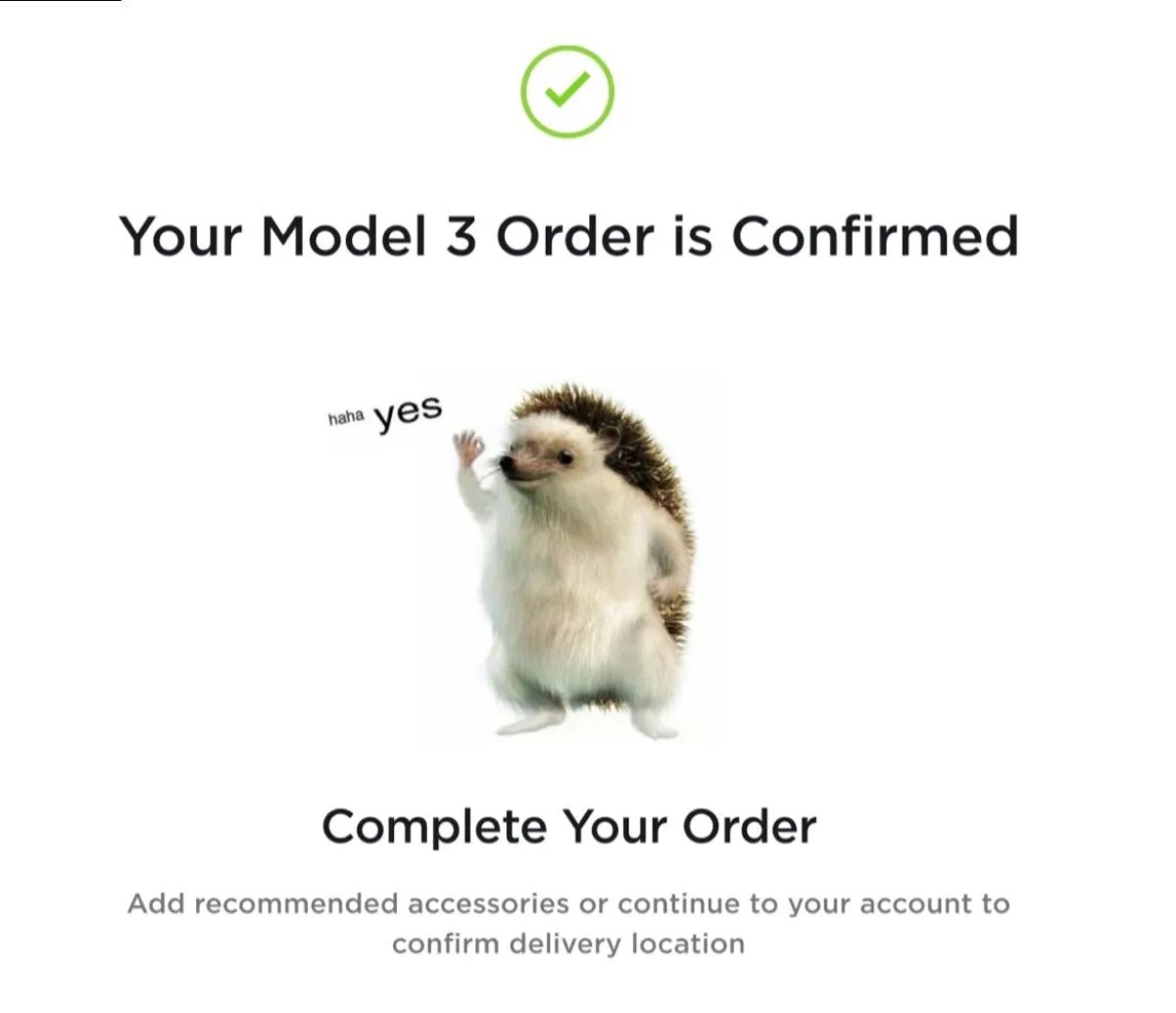
- Tesla uniquely leverages internet memes and pop culture references in its vehicle purchase confirmations and software.
- The iconic 'haha, yes' hedgehog confirms most orders, while Cybertrucks receive a 'cyber hedgehog' variant.
- Vehicle features and settings, such as 'Ludicrous Speed' and 'Sentry Mode,' are direct nods to classic sci-fi and video games.
- This distinctive branding strategy aims to resonate with a younger, tech-savvy demographic, fostering a unique community.
The Deep Dive: How Tesla Codes Its Brand Identity
Tesla has long transcended the traditional automotive manufacturer mold, carving out a niche not just with its electric vehicles but with its unconventional brand persona. Unlike legacy automakers that adhere to formal, corporate communications, Tesla embraces a playful, internet-native approach. This strategy is most evident in its order confirmations and in-car software, where a deep appreciation for memes and pop culture is front and center.
The Meme as a Brand Statement
At the heart of Tesla's quirky brand communication is the now-famous 'haha, yes' hedgehog meme, a relic from mid-2010s internet culture. This whimsical image, depicting a hedgehog making an 'okay' hand sign, greets customers after a multi-thousand-dollar purchase. For the newer Cybertruck, Tesla even designed a 'cyber hedgehog,' a 'low-poly' aesthetic aligned with the truck's futuristic design. This isn't merely a random choice; it's a deliberate move to make the brand feel more relatable and accessible, particularly to younger generations (Millennials and Gen Z) who grew up immersed in internet culture. It signifies that buying a Tesla is not just acquiring a vehicle; it's joining an exclusive, self-aware community that doesn't take itself too seriously.
Pop Culture Integration in Software & Features
Beyond order confirmations, Tesla's software is a treasure trove of pop culture references. The company's performance modes, 'Ludicrous Speed' and 'Plaid,' are direct homages to Mel Brooks' iconic film *Spaceballs*. Even the confirmation dialog for 'Ludicrous' mode, with options like 'Yes, bring it on!' and 'No, I want my Mommy,' draws inspiration from the difficulty settings of the classic *Wolfenstein* video game. Security features like 'Sentry Mode' are named after the automated turrets in Valve's *Portal* series. These references extend to numerous software Easter eggs, including a sketchpad on the center screen and 'Mars Mode,' which transforms the GPS map into the Martian surface. This intricate web of nods to sci-fi, gaming, and comedy demonstrates a consistent, playful brand voice that sets Tesla apart from its more staid competitors.
Specs & Data: Tesla's Pop Culture Palette
| Feature/Reference | Origin/Inspiration | Application/Context |
|---|---|---|
| 'haha, yes' hedgehog | Mid-2010s internet meme | General Tesla order confirmation |
| Cyber Hedgehog | Cybertruck aesthetic | Cybertruck order confirmation |
| Ludicrous Speed | Mel Brooks' *Spaceballs* (1987) | High-performance acceleration mode |
| Plaid Speed | Mel Brooks' *Spaceballs* (1987) | Even higher-performance acceleration mode |
| Ludicrous mode options | *Wolfenstein* video game (1992) | 'Yes, bring it on!' / 'No, I want my Mommy' choices |
| Sentry Mode | *Portal* video game series (2007) | Vehicle security system |
| Mars Mode | Science Fiction / Space exploration | GPS map display changed to Mars surface |
| Sketchpad | Digital drawing applications | Interactive drawing tool on center screen |
Market Impact: Redefining Automotive Branding
Tesla's unconventional branding strategy has a profound impact on the automotive industry. Firstly, it provides unparalleled brand differentiation. While other automakers struggle to modernize their image, Tesla naturally connects with a digital-native audience. Secondly, it fosters deep brand loyalty and a strong sense of community. Customers feel they are part of something unique, not just owning a car but participating in a cultural phenomenon. This organic connection translates into potent word-of-mouth marketing and social media engagement that traditional advertising campaigns often fail to achieve. Finally, it sets a precedent for future branding, suggesting that authenticity, humor, and a willingness to break from corporate norms can be powerful tools for engaging younger, tech-savvy consumers.
The Verdict: More Than Just a Meme
Tesla's integration of internet memes and pop culture into its core brand identity is far from a trivial gimmick. It is a meticulously crafted, highly effective strategy that defines its market position and cultivates a loyal, engaged customer base. By speaking the language of its target demographic – Millennials and Gen Z – through familiar cultural touchstones, Tesla has created a brand that is not just about electric vehicles, but about a unique, fun, and forward-thinking lifestyle. This approach is a testament to the power of understanding and leveraging contemporary digital culture to build a truly distinctive and resonant brand in a competitive global market.
