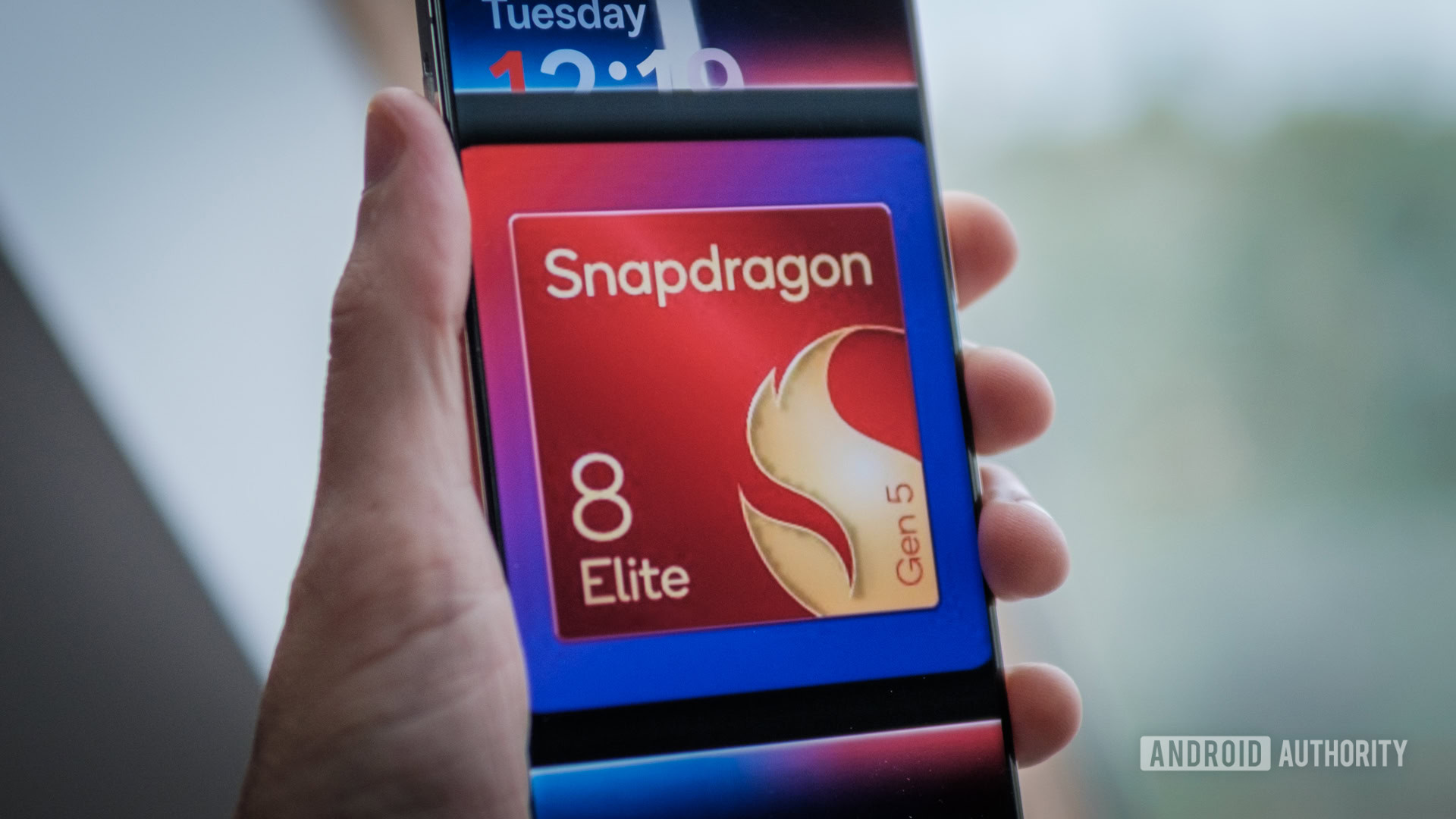
- A critical new exploit, dubbed the “Qualcomm GBL Exploit,” has emerged, affecting the latest Snapdragon 8 Elite Gen 5 SoC.
- This exploit allows users to unlock the bootloader on devices previously known for their strict lockdown policies, notably the Xiaomi 17 series.
- The vulnerability chains an oversight in the Generic Bootloader Library (GBL) loading process with an unsanitized fastboot command to bypass SELinux restrictions.
- While impactful, Xiaomi has reportedly begun patching the necessary app, and Qualcomm has addressed the fastboot command vulnerability.
The Deep Dive: Unpacking the Qualcomm GBL Exploit
The newly discovered “Qualcomm GBL Exploit” leverages a sophisticated two-pronged attack to gain unauthorized bootloader unlock capabilities on high-end Android smartphones powered by the Snapdragon 8 Elite Gen 5 SoC. This exploit is particularly significant as it targets a fundamental layer of device security, providing a pathway to execute unsigned code and override manufacturer-imposed restrictions.
How the GBL Exploit Works: An Authenticity Blind Spot
At its core, the exploit capitalizes on an oversight in how Qualcomm’s Android Bootloader (ABL) interacts with the Generic Bootloader Library (GBL) on devices running Android 16. The ABL attempts to load the GBL from the “efisp” partition. However, instead of performing a rigorous authenticity check to verify the GBL's integrity, the ABL merely confirms the presence of a UEFI app in that partition. This critical flaw allows an attacker to inject and execute unsigned, custom code onto the efisp partition without triggering security alarms, forming the foundation of the GBL exploit.
Bypassing SELinux: The Fastboot Command Vulnerability
While the GBL vulnerability provides the execution avenue, writing to the `efisp` partition is typically blocked by SELinux (Security-Enhanced Linux), which is set to 'Enforcing' by default. To circumvent this, the exploit leverages a second, unexpected vulnerability: a fastboot command named “fastboot oem set-gpu-preemption”. This command, intended to accept only '0' or '1' as parameters, also allows arbitrary, unsanitized input arguments. Attackers can append “androidboot.selinux=permissive” to this command, effectively switching SELinux from Enforcing to Permissive mode. This change grants the necessary write access to the efisp partition, enabling the injection of the custom UEFI app.
The Exploit Chain in Action: Unlocking the Bootloader
With SELinux in Permissive mode, the exploit proceeds by writing a custom UEFI app to the `efisp` partition. Upon a subsequent reboot, the ABL loads and executes this custom app, thanks to the GBL vulnerability’s lack of authenticity checks. The custom UEFI app then programmatically sets the critical `is_unlocked` and `is_unlocked_critical` flags to “1,” achieving the same bootloader unlock status as an authorized “fastboot oem unlock” command. This complete chain has been successfully demonstrated on devices such as the Xiaomi 17 series, Redmi K90 Pro Max, and POCO F8 Ultra, all powered by the Snapdragon 8 Elite Gen 5 SoC.
Specs & Data: Exploit Profile
| Feature | Detail |
|---|---|
| Affected SoC | Qualcomm Snapdragon 8 Elite Gen 5 (primarily), potential for others |
| Affected Android Version | Android 16 (required for GBL implementation) |
| Exploit Type | Bootloader Unlock via Chained Vulnerabilities |
| Key Vulnerabilities | GBL authenticity bypass during loading; Unsanitized input for fastboot oem set-gpu-preemption command |
| Example Affected Devices | Xiaomi 17 series, Redmi K90 Pro Max, POCO F8 Ultra |
| Affected OEMs | All using Qualcomm's ABL (excluding Samsung's S-Boot) |
| Current Status | Xiaomi patching Hyper OS app; Qualcomm fixed fastboot command; Base GBL fix propagation unclear. |
Market Impact: Shifting Sands for Mobile Security and User Control
This exploit significantly impacts the mobile industry by temporarily re-enabling a degree of user control over devices that manufacturers had meticulously locked down. For OEMs like Xiaomi, who had implemented stringent, time-consuming bootloader unlock criteria, this exploit bypasses years of hardening efforts, offering a lifeline to enthusiasts and developers. The immediate consequence is a scramble for OEMs and Qualcomm to issue patches, highlighting the critical need for robust security at every layer of the Android ecosystem. While Qualcomm has reportedly fixed the fastboot command vulnerability, the broader propagation of a fix for the base GBL exploit to consumers remains an ongoing challenge, demonstrating the complex supply chain dynamics of mobile security updates. The incident serves as a stark reminder that even flagship hardware with advanced security features can harbor unforeseen vulnerabilities, influencing future chip design and software security protocols across the industry.
The Verdict: A Brief Window of Opportunity in a Rapidly Evolving Landscape
The Qualcomm GBL Exploit represents a significant, albeit potentially short-lived, victory for device customization and user freedom. It underscores the perpetual cat-and-mouse game between security researchers, users, and device manufacturers. While the exploit successfully demonstrated a method for bootloader unlocking on notoriously difficult devices, the rapid response from Xiaomi with Hyper OS patches and Qualcomm's own fixes suggests that this window of opportunity may be closing swiftly. This event reinforces the importance of layered security, constant vigilance, and the need for prompt, widespread security updates from chipmakers and OEMs to protect the vast array of Android devices in the market.
