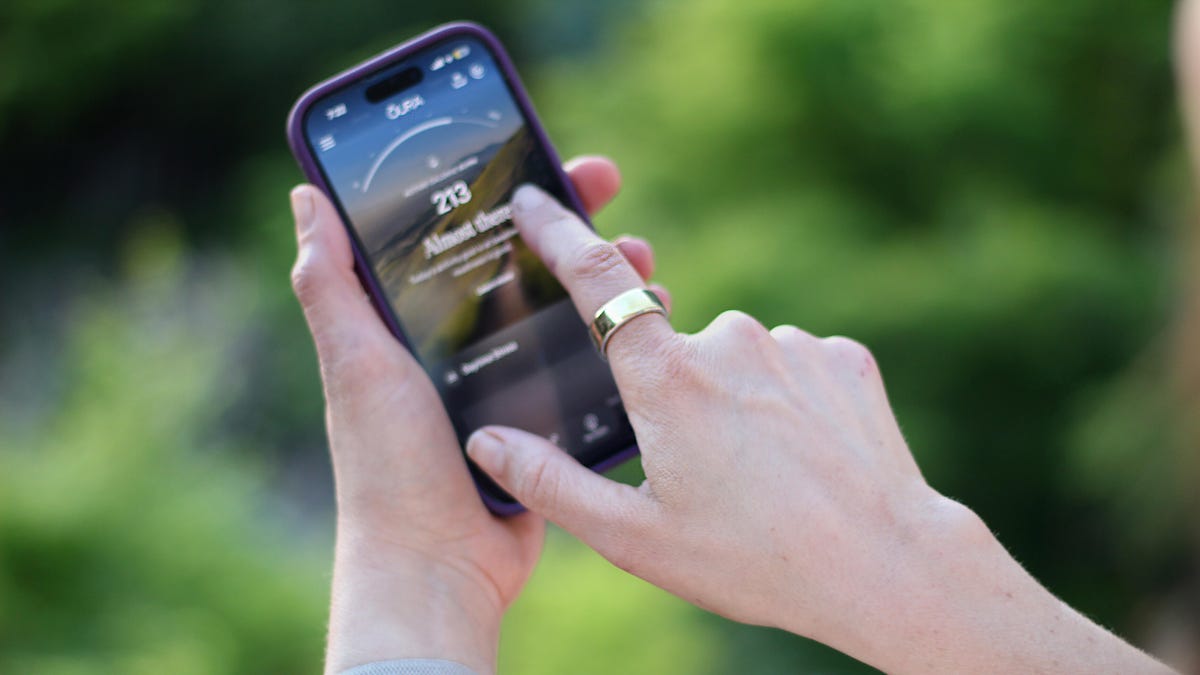
- The Oura Ring's "Symptom Radar" feature, initially developed from a COVID-19 detection study, acts as a personalized "check engine light" for the body.
- It monitors deviations from a user's health baseline, prompting early awareness of potential strain without specific diagnoses.
- Unexpectedly, this feature has led to the early detection of serious conditions like lymphoma and appendicitis, significantly impacting patient outcomes.
- Oura is actively pursuing FDA-approved, condition-specific detection features for the future, leveraging the finger's superior biometric data collection.
The Deep Dive: Beyond the Baseline
The Oura Ring has solidified its position as the dominant player in the smart ring market, capturing a significant 74% share. While widely recognized for its sleep tracking and wellness metrics, the true depth of its innovation, particularly its 'Symptom Radar' feature, extends far beyond everyday wellness.
How the "Check Engine Light" Works
At its core, Symptom Radar functions as a sophisticated vitals dashboard. It continuously monitors key physiological signals—like heart rate, heart rate variability, and temperature—establishing a personal baseline for each user. When these metrics drift significantly from this established normal, the ring issues an alert, signaling that the body might be under strain before the user even consciously registers symptoms. Dr. Ricky Bloomfield, Oura's Chief Medical Officer, aptly compares it to a car's "check engine light"—it doesn't diagnose the problem but confirms that "something needs attention." This objective confirmation is crucial, especially for those who might otherwise ignore subtle bodily warnings.
From Pandemic Pivot to Unforeseen Discoveries
Symptom Radar's origins trace back to the height of the COVID-19 pandemic. In 2020, Oura collaborated with the University of California, San Francisco, on the TemPredict study, aiming to predict COVID-19 onset. The study found the ring could detect signs of COVID-19 up to 2.75 days earlier than traditional testing. However, transforming this into a consumer-facing, COVID-19 specific detection tool faced significant regulatory hurdles, specifically a lengthy FDA de novo approval process. Oura smartly pivoted, releasing Symptom Radar as a broader wellness tool. This allowed it to flag general deviations from baseline, avoiding immediate regulatory entanglements while still providing actionable insights. What neither Oura nor its users fully anticipated was the feature's profound, broader impact.
In a groundbreaking revelation, Dr. Bloomfield confirmed that Symptom Radar has been instrumental in the early detection of serious conditions, including multiple cases of lymphoma in young women. While the ring doesn't diagnose cancer, its persistent alerts prompted these individuals to seek medical attention, leading to diagnoses sooner than might have otherwise occurred. "Time matters for something like lymphoma... the sooner you can get seen and evaluated for something like this, the better your chances to have a positive outcome," Bloomfield emphasized. Similar scenarios have played out with appendicitis, where early alerts led users to seek care before life-threatening ruptures. The feature has even provided early cues for pregnancy, as users observe patterns in their own biometric data.
The Future: Targeted Detection and Regulatory Navigation
The success of Symptom Radar is now paving the way for Oura's next frontier: condition-specific, clinically validated alerts. Through "Oura Labs" within its app, the company is conducting clinical studies, such as one focused on detecting high blood pressure. This initiative signals a strategic move towards FDA-approved diagnostics. Oura plans to follow a similar regulatory path to companies like Apple, which have obtained FDA clearance for features like ECG. Additionally, Oura is expanding its focus into women's health, with studies exploring cycle tracking and reproductive health insights.
Why the Finger? Optimizing Biometric Data
Despite the prevalence of wrist-based wearables, Oura maintains that the finger is the ideal location for consistent, high-fidelity biometric data collection. Dr. Bloomfield points to the "digital arteries" running along the bottom of the finger, which offer a superior site for measuring physiological signals. This advantage is particularly pronounced during sleep, where minimal movement ensures higher accuracy for metrics like heart rate, heart rate variability, and crucially, temperature—a key factor for features like cycle tracking and fertile window prediction. The Oura Ring's subtle design and seven-day battery life also make it more comfortable and practical for 24/7 wear, including during sleep, when many wrist-based devices are either removed or charged.
Specs & Data: Oura Ring vs. Generic Wrist-Based Wearables
| Feature/Metric | Oura Ring (Gen 3) | Generic Wrist-Based Wearables |
|---|---|---|
| Primary Wear Location | Finger | Wrist |
| Sensor Placement Advantage | Digital arteries for superior signal quality | Generally good, but can be affected by movement |
| Comfort for 24/7 Wear (incl. sleep) | High (subtle, lightweight) | Varies; can be bulky for sleep |
| Battery Life (typical) | Up to 7 days | 1-7 days (often less with always-on features) |
| Signal Accuracy During Sleep | Higher (minimal movement, optimal finger placement) | Can be affected by movement or comfort issues |
| Key Biometrics Monitored | Heart Rate, HRV, Temperature, Sleep Stages, Activity | Heart Rate, Steps, Sleep Stages, Activity, (some: ECG, SpO2) |
| Unique Feature Highlight | Symptom Radar (proactive health deviation alerts) | Varies (e.g., workout tracking, advanced navigation) |
Market Impact: Redefining Proactive Health
The Oura Ring's evolution, particularly with Symptom Radar, is significantly impacting the wearable technology market. It elevates smart rings from mere fitness trackers to sophisticated, proactive health monitoring devices. By demonstrating the ability to provide early, non-specific alerts that lead to the diagnosis of serious conditions, Oura is carving out a crucial niche in preventative health. This pushes competitors to innovate beyond basic activity and sleep tracking, emphasizing the potential for wearables to genuinely impact long-term health outcomes. Furthermore, Oura's explicit commitment to pursuing FDA approvals for future diagnostic features sets a precedent for how consumer health tech can bridge the gap between wellness and clinical-grade medical devices, potentially accelerating regulatory pathways for the entire industry. It validates the "finger as the ideal biometric sensor" concept, influencing future form factors and sensor research.
The Verdict: A Silent Guardian for Health
The Oura Ring's Symptom Radar is more than just a smart feature; it's a testament to the power of discreet, continuous biometric monitoring and intelligent data interpretation. By acting as a silent guardian, it empowers users with objective insights into their bodily state, often before they're consciously aware of an issue. Its unexpected role in flagging serious conditions like lymphoma and appendicitis underscores its profound potential to save lives and improve health outcomes through early intervention. As Oura continues its journey towards clinically validated, condition-specific diagnostics, it solidifies its position not just as a leader in wearables, but as a vanguard in the future of personalized, proactive health management. The Oura Ring is indeed proving that the most impactful health technology can be the one you barely notice, working diligently to keep you informed and healthier.
