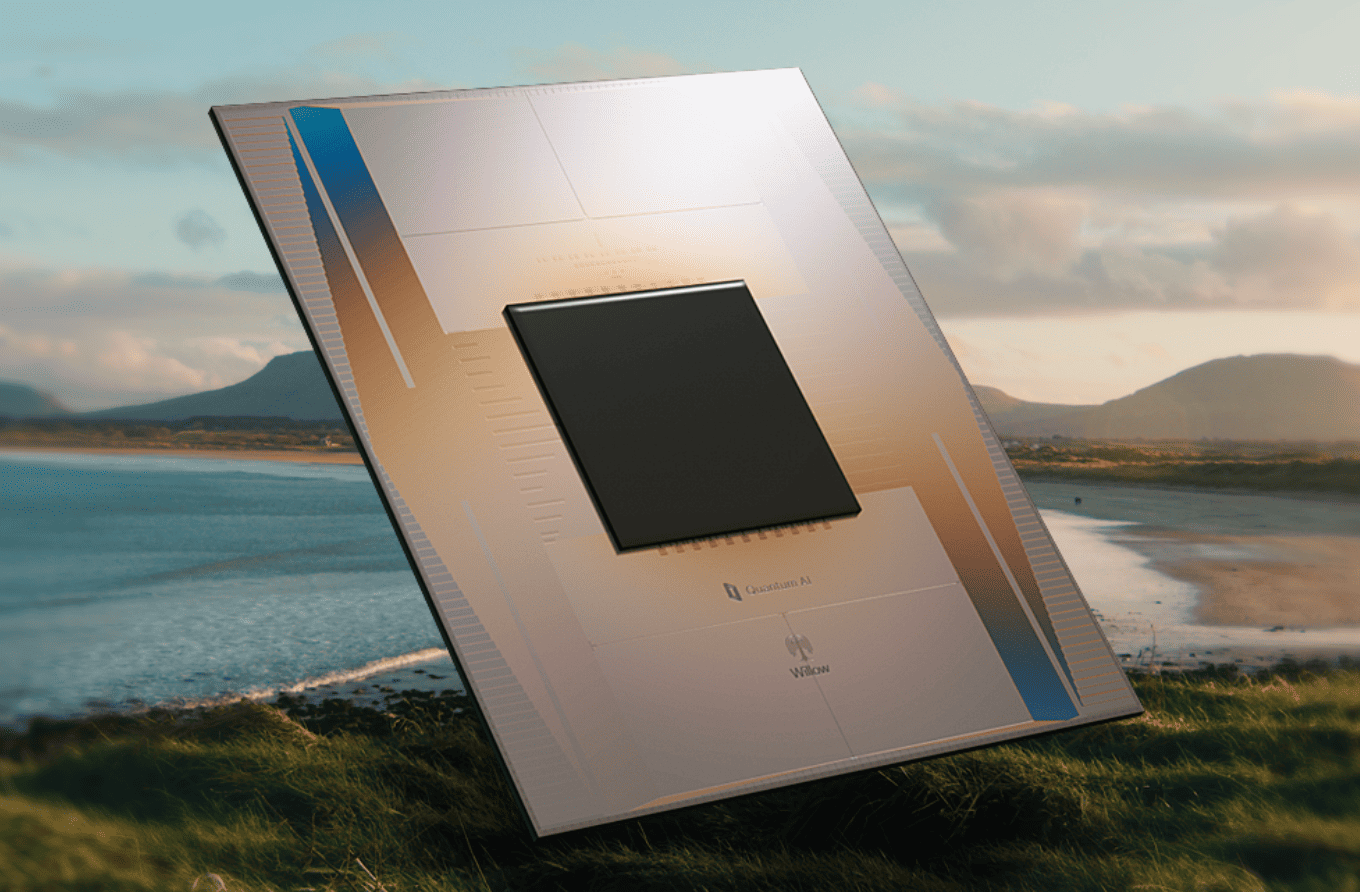
- Google has launched the Willow Early Access Program, granting select researchers exclusive access to its advanced quantum processor.
- Researchers are invited to submit anonymized proposals by May 15, 2026, detailing executable quantum circuits and measurable outcomes.
- Selection prioritizes experiments demonstrating feasibility on current hardware, accounting for noise, and potential for high-impact scientific results.
- This initiative aims to accelerate quantum commercialization and push the boundaries of quantum hardware capabilities.
The Deep Dive: How Google is Accelerating Quantum Breakthroughs
Google's recent announcement marks a significant strategic move in the race for quantum supremacy. The Willow Early Access Program signals a shift from purely theoretical exploration to tangible, application-driven research on a cutting-edge quantum processor. By inviting external researchers, Google aims to broaden the scope of experiments and uncover novel applications that might elude internal teams, leveraging diverse expertise to stress-test Willow's capabilities.
Program Mechanics: Unlocking Willow's Potential
The program is meticulously structured to ensure high-quality research. Applicants must craft detailed proposals by May 15, 2026, outlining specific quantum circuits, expected measurable outcomes (observables), and commit a dedicated researcher, such as a Ph.D. student or postdoctoral fellow, to execute the work. This requirement underscores Google's expectation for swift, results-oriented implementation. The anonymized submission process ensures that evaluation focuses strictly on scientific merit and the technical feasibility of the proposed experiments on Willow's current hardware, including crucial considerations like noise and error rates.
Specs & Data: Willow Early Access Program at a Glance
| Feature | Detail |
|---|---|
| Program Name | Willow Early Access Program |
| Processor Access | Exclusive, limited access to Google's Willow quantum processor (not publicly available) |
| Proposal Deadline | May 15, 2026 |
| Selection Announcement | July 1, 2026 |
| Proposal Requirements | Anonymized proposals with executable quantum circuits, measurable outcomes, dedicated researcher. |
| Selection Criteria | Feasibility on current hardware (noise, error rates) & potential for high-impact scientific results/new techniques. |
Market Impact: Reshaping the Quantum Landscape
This early access program is a powerful catalyst for the quantum computing industry. By fostering collaborative, high-value research on advanced hardware, Google is actively shaping the future direction of quantum applications and accelerating the path to commercialization. It will likely inspire new experimental techniques and contribute to a deeper understanding of quantum hardware limitations and capabilities. This strategy aligns with a broader industry trend where leading tech firms provide controlled access to their cutting-edge quantum systems, ensuring that foundational research is robustly pursued while managing the inherent complexities of nascent quantum technologies.
The Verdict: A Calculated Leap Towards Quantum Utility
Google's Willow Early Access Program represents a calculated and significant step in the quantum computing journey. It's a pragmatic approach to push beyond incremental simulations, leveraging external expertise to unlock the true potential of their Willow processor. This initiative promises to yield critical scientific insights and accelerate the development of practical quantum applications, reinforcing Google's position at the forefront of this transformative technology. The program's success will be pivotal in defining the next generation of quantum computing, moving us closer to a future where quantum advantages become a tangible reality.
