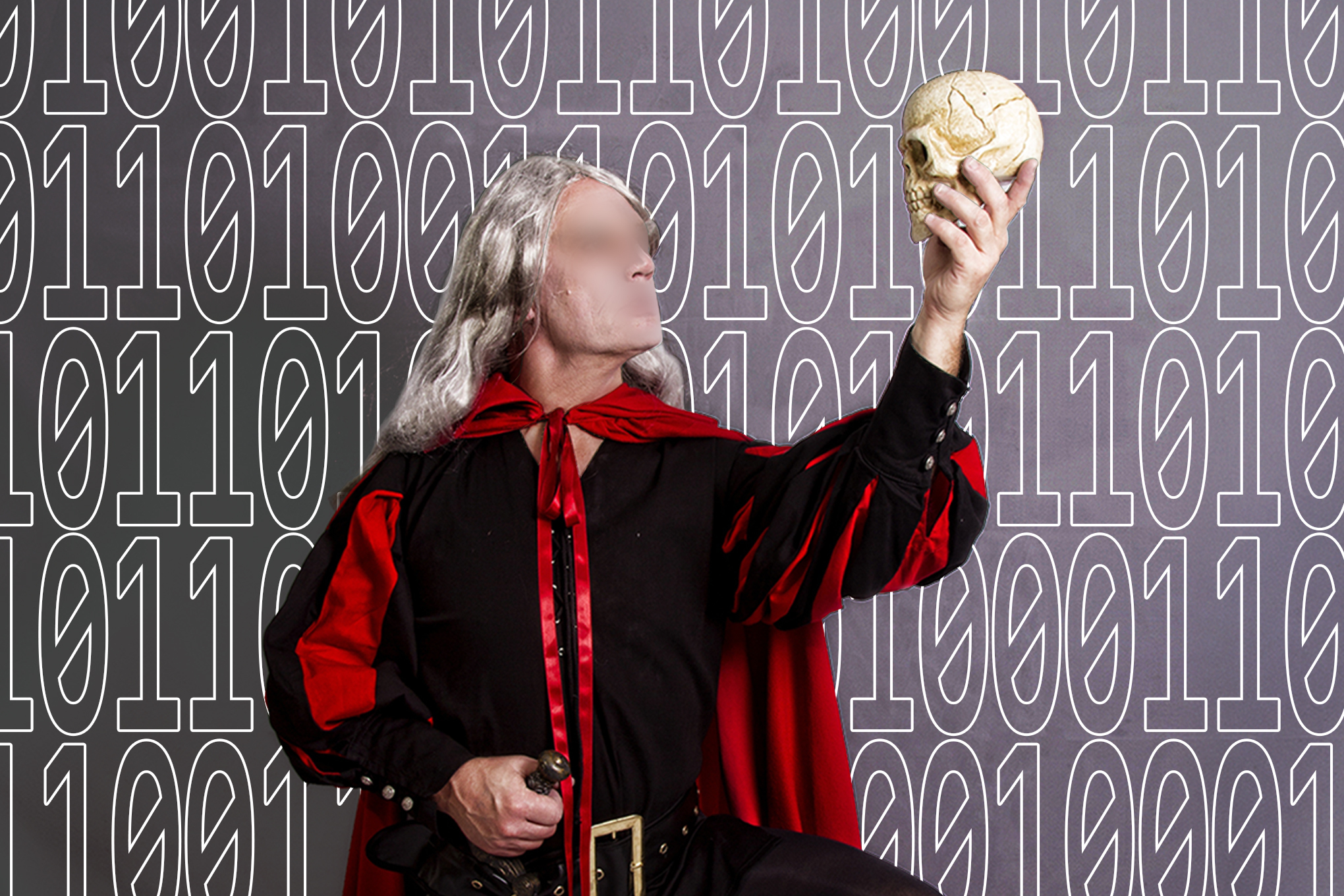
- Leading AI companies are enlisting improv actors and performers to train their models in authentic human emotion and conversational nuance.
- This specialized training aims to address "jaggedness" in AI, enhancing multimodal capabilities, particularly in voice interactions for LLMs like ChatGPT and Grok.
- Companies like Handshake AI are experiencing surging demand for niche training data, tapping into diverse professional pools beyond traditional tech roles.
- Despite attractive hourly rates, professionals express concerns about job obsolescence and potential discrepancies in flexible work availability and actual pay.
The Quest for Authentic AI: Why Actors?
As Artificial Intelligence models become increasingly sophisticated, their limitations in understanding and replicating genuine human emotion and conversational flow have become apparent. Often described as "jagged," these models can excel at complex analytical tasks but falter spectacularly with simple human interactions. To bridge this critical gap, leading AI labs are now looking beyond traditional data sets, turning to the performing arts. Companies like Handshake AI, a key training data provider for giants such as OpenAI, are actively recruiting improv actors, sketch comedians, and theater professionals. The "why" is clear: to imbue AI with the ability to recognize, express, and fluidly shift between emotions in a way that feels authentic and human, crucial for advanced multimodal interactions.
The Art of Training: Unscripted Human-AI Interaction
The training methodology described is far from conventional. Participants are engaged in "paid, collaborative improv projects," matched with other performers over video. Given a light prompt or scenario, they improvise scenes, explore characters, and respond naturally, with significant creative freedom. This unscripted, open-ended approach is designed to "test the limits of the world’s top LLMs’ understanding," teaching models how to interpret and generate human tone, inflection, and emotional cues. This direct human-to-AI emotional transfer is vital as AI companies lean heavily into multimodal models that can not only generate text and images but also engage users through highly realistic voice interactions, complete with nuanced inflections, as seen in advanced versions of ChatGPT, Grok, and Claude.
The Booming Business of Niche AI Data
The demand for specialized training data has exploded, with Handshake AI's demand tripling last summer and the company exceeding a $150 million run rate. This surge highlights a growing industry where companies like Handshake, Mercor, and Scale AI are scrambling to provide specific, high-quality data. They leverage networks of tens of thousands of professionals across various white-collar industries—from chemists and doctors to lawyers and now, performers. This bespoke data labeling is seen as the solution to fix the "gaps" in AI models' knowledge, signaling a significant shift in how AI is being refined and developed, moving beyond vast, undifferentiated datasets towards targeted, human-curated experiences.
Key Data & Operational Insights
The evolving landscape of AI training data services reveals significant operational growth and specific compensation structures, alongside community feedback.
| Metric/Attribute | Detail |
|---|---|
| Average Hourly Pay for Performers | $74 (reported) |
| Handshake AI Demand Growth | Tripled last summer |
| Handshake AI Annual Run Rate (Nov) | >$150 Million |
| Targeted AI Capability | Emotional awareness, authentic human interaction, voice inflection training |
| AI Models Benefiting | Leading LLMs (e.g., OpenAI, xAI Grok, Anthropic Claude voice features) |
| Performer Concerns | Job obsolescence, "dystopian" implications, potential pay/flexibility discrepancies |
Transforming Conversational AI & Industry Dynamics
The integration of professional actors into AI training represents a pivotal shift towards more emotionally intelligent and human-like AI interactions. This initiative is set to significantly enhance multimodal AI capabilities, particularly voice-based interfaces, making them more natural, empathetic, and nuanced. For consumers, this translates to more engaging and intuitive experiences with AI assistants and platforms, fostering deeper user trust and adoption. From a business perspective, companies able to deploy AIs with superior emotional intelligence will gain a competitive edge in customer service, entertainment, and educational sectors.
However, this innovation comes with profound implications for the human workforce. The very professionals hired to refine AI models – actors, writers, and various white-collar experts – voice legitimate fears that they are accelerating their own obsolescence. The discussion on platforms like Reddit highlights anxieties about AI's potential to replicate human creativity, raising ethical questions about the future of creative professions. The gig economy nature of these training roles, with concerns about fluctuating task availability and actual vs. advertised pay, also points to a new frontier of worker exploitation in the AI era. This development underscores the urgent need for industry dialogue and policy-making to navigate the evolving relationship between human expertise and automated systems, ensuring a balanced future.
The Verdict: Human Empathy as AI's Next Frontier
The drive to infuse AI with authentic human emotion through professional actors marks an exciting, albeit complex, leap forward in AI development. While promising more natural and engaging AI interactions, it simultaneously ignites critical debates around job displacement and the ethical boundaries of AI training. This initiative affirms that despite rapid advancements, human creativity, empathy, and nuanced understanding remain indispensable for AI to truly connect with the world. The future of AI success hinges not just on computational power, but on its ability to genuinely understand and reflect the human condition – a feat, for now, that only humans can teach.
