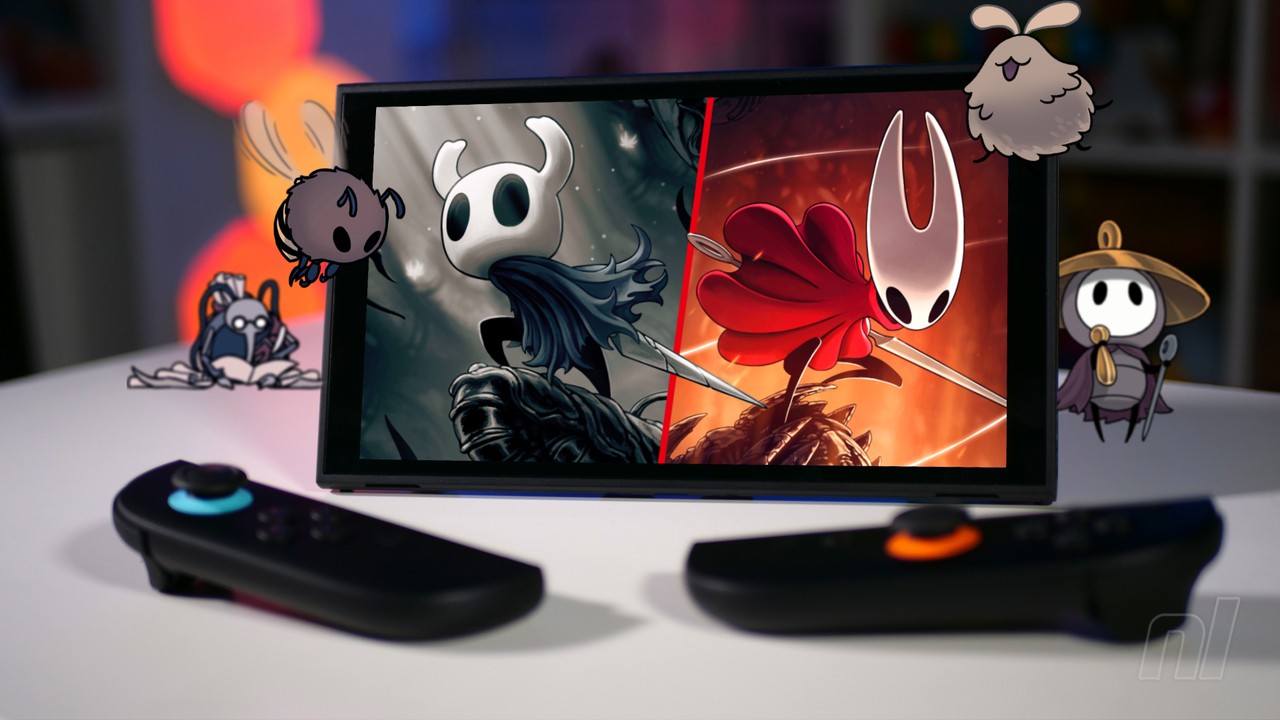
Executive Summary: Gaming's Ultimate Showdown Re-Sparked
- A hypothetical 'Hollow Knight - Nintendo Switch 2 Edition' with enhanced performance is posited to reignite interest in the original title.
- This theoretical performance boost challenges Silksong's previous 10/10 rating and 'improvement in every single way' over its predecessor.
- While Silksong offers more acrobatic gameplay, new tools, and a larger map, the original Hollow Knight's deep narrative, dense world, and unique atmosphere continue to captivate.
- The core debate centers on whether technical improvements can sway preference from a 'superior' sequel back to a beloved classic.
The Deep Dive: How Hypothetical Hardware Redefines Experience
The gaming world is no stranger to the anticipation of next-generation hardware. The current discussion, albeit based on a hypothetical 'Nintendo Switch 2 Edition' of Hollow Knight, vividly illustrates how potential performance enhancements can fundamentally alter the perception and enjoyment of an existing game. The source text suggests that 'buttery smooth performance' and 'additional effects' on a future console could make revisiting the original Hollow Knight a compelling experience, even years after its initial release.
Revisiting Hallownest: Performance as a Game-Changer
The 'How' of this re-evaluation lies in the transformative power of technical polish. Older games, while cherished, often face limitations imposed by their original hardware. Imagine a world like Hallownest, already praised for its intricate design and atmosphere, rendered with improved framerates, faster load times, and subtle new visual effects. This isn't just about graphical fidelity; it's about the fluidity of movement, the responsiveness of combat, and the seamless immersion that a powerful new platform can deliver. Such improvements can strip away minor frustrations, allowing players to appreciate the core artistic and design merits of a game more fully.
Silksong vs. Hollow Knight: A Battle of Evolution vs. Foundation
The 'Why' behind this rekindled debate is rooted in the intrinsic qualities of both titles. Silksong, as a sequel, was lauded for its mechanical advancements, featuring Hornet as a quicker, more acrobatic protagonist with an expanded toolkit and a significantly larger, more diverse map. Its 10/10 review score reflected an evolution of the Metroidvania formula established by its predecessor. However, the original Hollow Knight carved its niche with a singular sense of dread, a subtly woven narrative, and a map that, while smaller, feels incredibly dense and purposeful. The emotional resonance of its world, characters, and initial journey into Deepnest remains unparalleled for many. The hypothetical Switch 2 scenario forces players to confront whether objective improvements in gameplay and scope always outweigh the subjective, almost nostalgic, appeal of an original masterpiece.
Key Comparisons: Hollow Knight vs. Silksong
| Feature | Hollow Knight | Silksong |
|---|---|---|
| Protagonist | The Knight (floaty, methodical) | Hornet (quicker, more acrobatic) |
| Combat | Deliberate, nail-based | More combat possibilities, varied tools |
| Map Size | Smaller, but dense Hallownest | Expansive Pharloom, makes Hallownest 'piddly' |
| Narrative Integration | Sublimely woven into surroundings with simplicity | Builds upon predecessor's world and lore |
| Original Review Score | 9/10 | 10/10 ('improvement in every single way') |
| Defining Experience | Pure dread (e.g., Deepnest), atmospheric | Elevated map design, purposeful challenge |
| Hypothetical Switch 2 Benefit | 'Buttery smooth performance', 'additional effects' | Presumably already highly optimized (as a newer title) |
Market Impact: The Enduring Appeal of Enhanced Classics
This discussion, even in its hypothetical form, highlights a significant trend in the gaming industry: the value of remasters and enhanced editions. As new hardware cycles emerge, there's a strong market for bringing beloved classics to modern platforms with performance boosts and visual upgrades. This not only introduces older titles to new generations of players but also offers a fresh experience for veterans. The idea that a hypothetical 'Switch 2' could make a six-year-old game like Hollow Knight compete with its acclaimed sequel underscores the power of optimizing a well-designed game for new technical capabilities. It suggests that core gameplay and world-building can transcend time, given the right technological refresh. Publishers can see renewed sales, and developers can potentially leverage these enhancements to revisit and re-monetize their back catalogs, extending the lifecycle of their creative works.
The Verdict: Performance, Preference, and Perception
The debate between Hollow Knight and Silksong, fueled by the imagined capabilities of a 'Nintendo Switch 2 Edition,' is a testament to the subjective nature of gaming preference. While Silksong was lauded for its objective improvements, the potential for an enhanced Hollow Knight to challenge that supremacy reveals that technical performance can significantly influence perception and enjoyment. It’s a reminder that sometimes, the 'perfect' sequel may not entirely eclipse the foundational brilliance and emotional connection forged with the original, especially when the original itself receives a performance facelift. Ultimately, the 'favorite' remains a personal choice, a complex interplay of design, narrative, and the often-underestimated factor of technical execution.
Fact-Checker's Note: It is crucial to clarify that 'Hollow Knight - Nintendo Switch 2 Edition' and the Nintendo Switch 2 itself are not officially announced or released products as of this analysis. The premise of playing this edition is a hypothetical scenario presented in the source article to facilitate a retrospective comparison.
