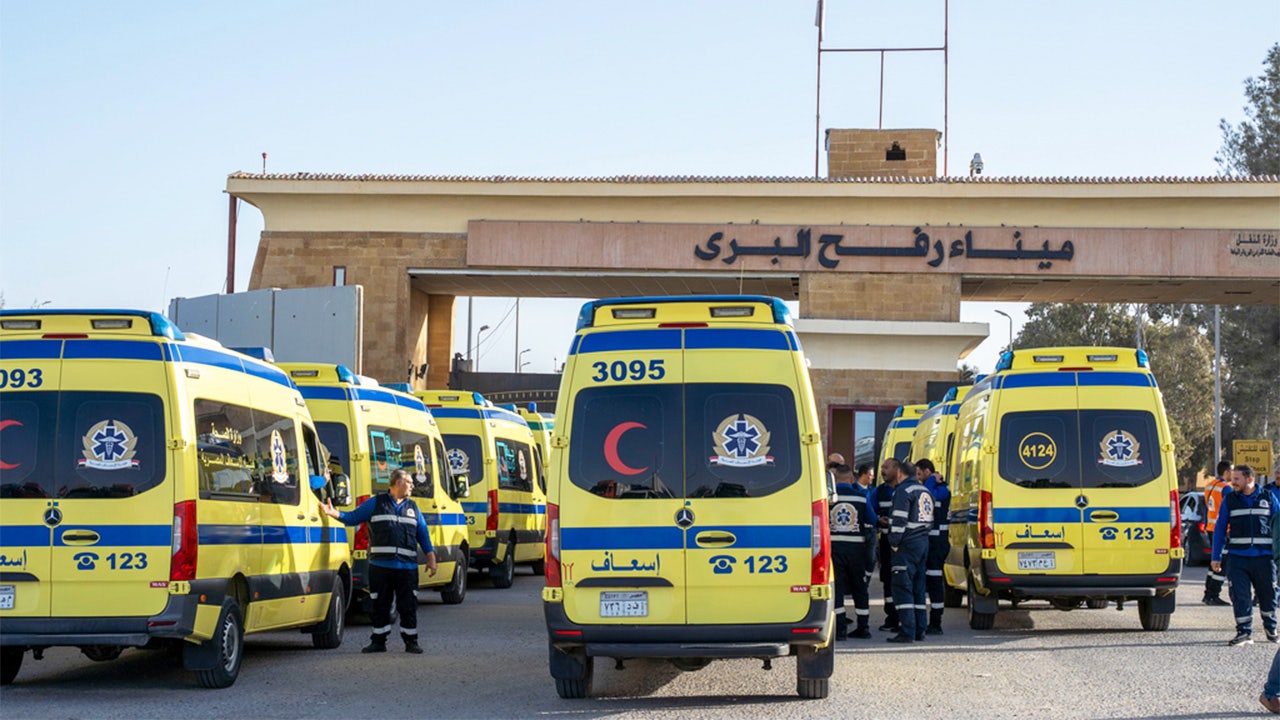
After years of near-total closure, Gaza's critical Rafah border crossing with Egypt has finally reopened, sparking a flicker of hope for thousands trapped in a desperate humanitarian crisis. Yet, this long-awaited gateway comes with stringent limitations, immediately raising urgent questions about the true extent of its impact.
| Key Insight | Details |
|---|---|
| Limited Reopening | Rafah crossing resumed operations under Israel-Hamas ceasefire, largely closed for nearly two years. |
| Strict Restrictions | Only a small number of people allowed; no commercial goods permitted. Initial cap: 50 Palestinians in each direction. |
| Urgent Humanitarian Needs | Tens of thousands of Gazans with medical needs seek evacuation; thousands outside Gaza hope to return. |
| International Oversight | Israel and Egypt vet travelers with international involvement to prevent weapons smuggling while allowing humanitarian passage. |
| Lingering Conflict | Despite the ceasefire, fighting incidents persist, underscoring the fragility of the peace. |
The Fragile Reopening: What It Means for Gaza
The Rafah border crossing, Gaza's primary passage to the outside world, resumed limited operations Monday as part of the U.S.-brokered Israeli-Hamas ceasefire agreement. This marks a critical moment for a territory that has been largely cut off for nearly two years.
However, optimism is tempered by the tight restrictions in place. Officials confirm that only a handful of individuals will be permitted to travel, and crucially, no commercial goods will be allowed through this vital gateway.
A Drop in the Ocean? Initial Numbers Reveal Strict Access
Egyptian authorities stated that the first day of operations would allow up to 50 Palestinians to cross in each direction. This figure starkly highlights the narrow scope of this initial reopening, falling far short of pre-war travel volumes.
The need is immense: health officials in Gaza report that tens of thousands of residents with urgent medical conditions are desperate for evacuation. Simultaneously, thousands of Palestinians currently outside Gaza are holding onto hope of returning home.
A Complex Web of Control and Concern
While Rafah offers a crucial non-Israeli route for Gaza, Israeli forces maintain control of the corridor between the crossing and the main Palestinian population centers. This strategic oversight complicates movement even at the reopened border.
Both Israeli and Egyptian authorities are rigorously vetting travelers, with international involvement aimed at preventing weapons smuggling. This multi-layered approach seeks to balance security concerns with the urgent need for humanitarian movement.
Shadow of Conflict Lingers Despite Ceasefire
Tragically, the ceasefire has not entirely halted the violence. Gaza hospital officials accuse an Israeli navy vessel of firing on a tent camp near Khan Younis, resulting in the death of a 3-year-old Palestinian boy – a report Israel's military is reviewing. Such incidents underscore the fragility of the current peace.
In anticipation of further humanitarian needs, Egyptian authorities have prepared roughly 150 hospitals across the country to receive patients evacuated from Gaza. The Egyptian Red Crescent has also established vital support areas on their side of the border.
The Long Road to Lasting Peace
The Rafah crossing was seized by Israel in May 2024 as part of its campaign against alleged Hamas smuggling routes, having been briefly opened for medical evacuations in early 2025. Its current reopening is directly linked to the U.S.-brokered ceasefire that took effect on October 10.
This ceasefire initially focused on critical hostage exchanges and increased humanitarian aid following the devastating Hamas-led terror attacks of October 7, 2023. A proposed second phase envisions a new Palestinian governing arrangement, an international security force, Hamas disarmament, and reconstruction efforts – ambitious goals that remain largely unresolved.
FAQ: Understanding the Rafah Crossing Reopening
Q: Why is the Rafah crossing so critical for Gaza?
A: The Rafah crossing is Gaza's only direct, non-Israeli link to the outside world. It is absolutely essential for humanitarian aid, medical evacuations, and any limited travel for Palestinians, making its operation vital for the territory's survival.
Q: What are the main restrictions on the Rafah crossing's current operation?
A: Currently, movement is severely limited to a small number of approved individuals (initially capped at 50 Palestinians daily in each direction) primarily for humanitarian reasons. Crucially, no commercial goods are permitted to pass through.
Q: What role do the U.S. and international bodies play in the Rafah crossing's reopening?
A: The U.S. brokered the ceasefire agreement under which the crossing reopened. Additionally, international involvement helps oversee operations alongside Israeli and Egyptian authorities, aiming to prevent weapons smuggling while facilitating essential humanitarian movement.
