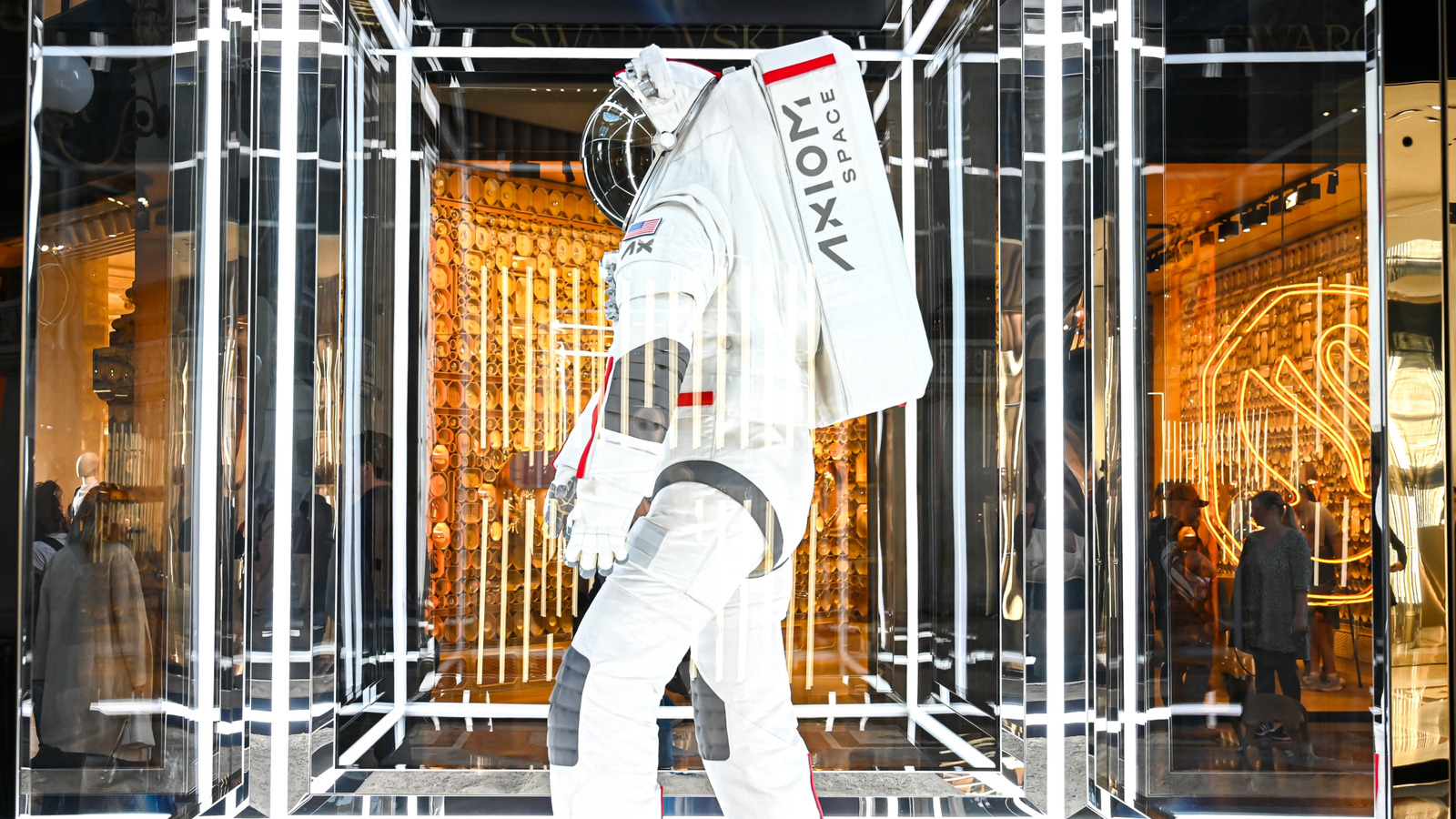
- NASA's new AxEMU spacesuits for the Artemis missions offer improved mobility, a custom fit, and enhanced durability over Apollo-era suits.
- Despite advancements, the AxEMU suits are significantly heavier (over 300 lbs on Earth) compared to the original Armstrong suits (~185 lbs).
- Former astronauts warn that the increased weight, combined with long daily EVAs and equipment carriage on the Moon, will lead to 'extreme physical stress' for the crew.
- The suits feature a rear-entry design for self-donning and are engineered specifically for planetary surface walks, supporting legs and upper mobility.
The Deep Dive: How and Why the AxEMU Suits Evolved
NASA's pursuit of lunar return via the Artemis program necessitates spacesuit technology that can withstand the rigors of extended surface exploration. The Axiom Extravehicular Mobility Unit (AxEMU) represents a significant leap from the Apollo-era Armstrong suits, designed not just for brief excursions but for generations of use by a diverse crew. The 'how' behind their design centers on modularity, customizability, and enhanced ergonomic support for planetary locomotion.
The 'why' for these design choices stems from the lessons learned from Apollo and the ambitious scope of Artemis. The AxEMU's rear-entry system allows astronauts to don and doff the suit independently, a crucial operational improvement. Engineers prioritized increased mobility in the upper body and legs, essential for tasks like sample collection and equipment setup without the aid of a rover, especially for missions like Artemis III. Furthermore, the suits are built to last, providing a safer and more adaptable platform for future lunar and potentially Martian missions.
The Weight Challenge: A Step Back in Heft?
While the AxEMU boasts numerous improvements, its increased weight poses a formidable challenge. Weighing over 300 pounds in Earth's gravity, these suits are substantially heavier than the Apollo 170-185 pound suits. Even with the Moon's 1/6th gravity, astronauts will still contend with over 50 pounds of suit weight, plus equipment and their own body mass. Former astronauts, including Kate Rubins, highlight that even in reduced gravity, performing daily, hours-long EVAs feels akin to running multiple marathons. This extreme physical stress, compounded by sleep deprivation and the need to manually carry heavy tools without a rover, could significantly impact astronaut performance and endurance.
Specs & Data: Comparing Generations of Lunar Suits
| Feature | Apollo (Armstrong Suit) | Artemis (AxEMU Suit) |
|---|---|---|
| Weight (Earth Gravity) | ~185 lbs (84 kg) | >300 lbs (136 kg) |
| Weight (Lunar Gravity) | ~30.8 lbs (14 kg) | >50 lbs (22.7 kg) |
| Mobility | Limited, especially upper body | Increased (legs, upper body), planetary focus |
| Entry Method | Front-entry, required assistance | Rear-entry, self-donning |
| Fit & Customization | Standard sizing, less customizable | Custom fit for diverse crew (e.g., women) |
| Durability/Lifespan | Designed for specific missions | Built for generations of use |
| Primary Mission Focus | Initial lunar surface exploration | Extended lunar surface EVAs, modular tool support |
Market Impact: Shaping Commercial Space and Future Missions
The development of the AxEMU suits, with significant contributions from commercial partners like Axiom Space, marks a critical shift in how NASA procures and develops hardware for human spaceflight. This approach fosters innovation within the private sector, potentially creating a competitive market for future space exploration equipment. The trade-offs observed in the AxEMU—advanced features versus increased mass—will inform future designs, pushing engineers to find novel material solutions and power-to-weight efficiencies. Furthermore, the insights gained from Artemis missions will directly influence training protocols, mission planning, and the logistical support required for long-duration human presence on celestial bodies, thus shaping the broader commercial space industry's capabilities.
The Verdict: A Necessary Compromise for Lunar Return
The Artemis program's AxEMU spacesuits represent a complex engineering marvel, balancing the critical needs for enhanced safety, adaptability, and mission-specific mobility with the inherent challenges of advanced material and life support systems. While they deliver significant improvements in custom fit, self-donning capability, and planetary surface mobility, the increased weight poses a tangible physical burden on astronauts. This decision reflects a necessary compromise: prioritizing long-term durability and versatile functionality for extended lunar exploration, even if it means demanding greater physical endurance from the crew. The success of these suits on future Artemis missions will not only determine the future of lunar exploration but also provide invaluable data for the next generation of space hardware development.
